


QR Code

Contact Us

Phone

E-mail

Address
Shanxia Village, Shanxia Town, Hui'An County, Fujian Province, China



Abstract — A well-designed Building Materials Display Rack does more than “hold products.” It reduces damaged stock, makes bulky items easier to browse, improves staff efficiency, and turns hard-to-merchandise materials into clear, confidence-building selections for buyers. This guide breaks down the real problems building-material retailers face (space, safety, clutter, and low conversion), then shows how to choose, plan, and maintain the right rack system. You’ll also find a practical checklist, comparison table, and an FAQ to help you move from messy stacks to a showroom that sells.
Building materials are notoriously hard to display. Unlike lightweight retail goods, many SKUs are heavy, sharp-edged, bulky, or fragile. That creates a set of problems that can quietly drain profit:
A quality Building Materials Display Rack addresses these issues by making the product easy to see, safe to handle, and simple to keep organized. The result is a cleaner showroom, faster decisions, fewer breakages, and a better customer experience from first look to pickup.

Not all racks are created equal. In a building-material environment, the best display system balances three goals: presentation, protection, and operational efficiency. Here’s what “good” typically includes:
In practice, the “right” rack depends on what you sell—ceramic tile, wood flooring, stone slabs, wall panels, doors, sanitaryware accessories, or mixed categories. A rack that’s perfect for small tile samples may be a poor fit for long boards, and vice versa. The key is matching rack behavior to product behavior.
Below is a practical comparison to help you shortlist a Building Materials Display Rack based on what your customers actually do in-store.
| Rack Type | Best For | Main Strength | Watch Outs |
|---|---|---|---|
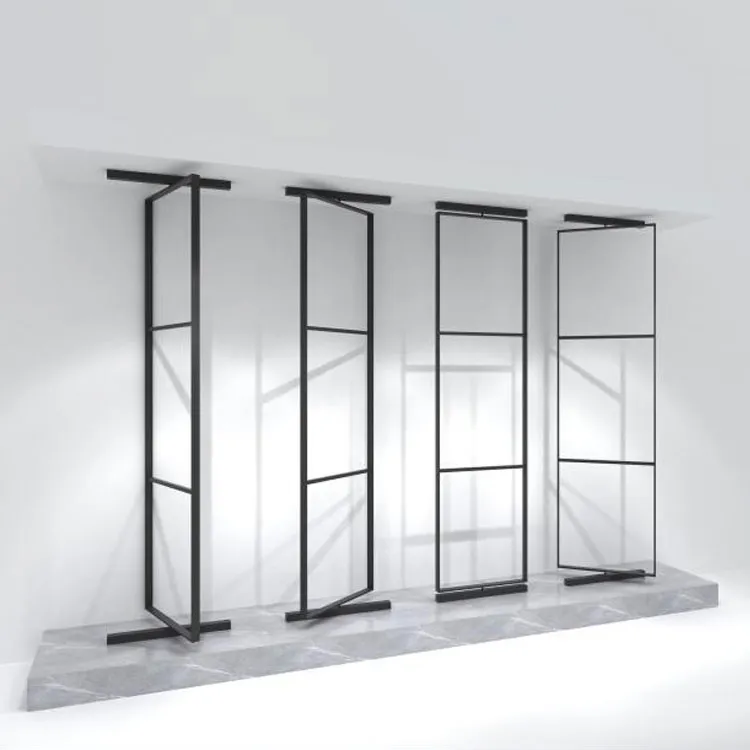
| Vertical slot rack | Boards, panels, sample slabs | Maximizes floor space and keeps items upright | Needs proper spacing and edge protection |
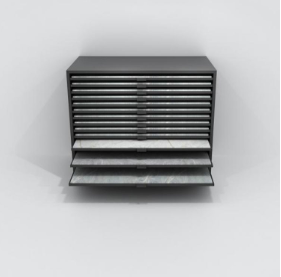
| Pull-out / slide display | Tile boards, laminated panels, wallpaper books | Easy comparison; customers can browse like “pages” | Requires smooth rails and regular maintenance |
| A-frame display rack | Flooring samples, stone/large-format tile | Great visibility from both sides | Must ensure stability and controlled load limits |
| Wall-mounted display | Trim, small panels, accessory samples | Frees up floor area; strong visual merchandising | Limited flexibility if product mix changes often |
| Rotating display stand | Mosaics, small tiles, compact samples | High SKU density in small footprint | Not ideal for heavy or fragile large pieces |
If you stock multiple categories, many showrooms use a hybrid approach: heavy items stored vertically, premium collections presented via pull-out displays, and fast movers organized in easy-to-restock racks near the aisle.
Before you buy or customize, answer these questions like a checklist. The goal is to prevent “looks nice” decisions that fail in daily use.
Many retailers underestimate the impact of spacing. If samples are too tight, customers struggle to pull them out and return them properly, leading to chips and chaos. If spacing is too loose, your SKU capacity drops. A well-planned Building Materials Display Rack finds a comfortable middle: easy handling without wasted real estate.
For businesses that want a tailored solution, Quanzhou Zhongbo Display Props Co., Ltd. can support customized rack configurations for different material categories, helping you align structure, merchandising, and daily operations instead of forcing everything into a one-size-fits-all stand.
Even the best rack underperforms in a bad layout. A practical showroom layout does three things: guides the customer, protects the product, and makes replenishment fast.
A helpful rule is the “two-touch goal”: in an ideal setup, staff can find, lift, and return a sample with no awkward twisting and no secondary relocation. The more steps you add, the more likely items get left out, mislabeled, or damaged.
Safety is not a bonus feature in building-material displays—it’s foundational. A dependable Building Materials Display Rack should reduce risk for both staff and customers.
If your store has experienced chipped tiles, scratched panels, or “mystery cracks,” the root cause is often not the product—it’s the handling path and the support points. Improving support alignment and adding protective contact surfaces can dramatically reduce these issues.
A rack system is a working tool. Small maintenance habits keep it safe and keep your display looking premium.
When racks stay smooth and organized, customers handle samples more gently, staff restock more consistently, and your showroom maintains the “quality signal” that building-material buyers rely on when making big decisions.

If you want to upgrade without guessing, a supplier that understands display engineering can make a big difference. The right Building Materials Display Rack should feel effortless for customers and structured for staff—clean, safe, and easy to scale.
Q: How many samples should one Building Materials Display Rack hold?
A: It depends on thickness, weight, and how often customers pull items out. As a practical guideline, prioritize comfortable handling over maximum density. If customers struggle to remove and return samples, damage and disorder will increase.
Q: Should I display full-size materials or smaller samples?
A: Many showrooms do both: smaller samples for quick comparison and a few full-size pieces to show real-world texture and pattern. Racks that support both approaches help customers decide faster and with more confidence.
Q: What is the most common reason racks “fail” in daily use?
A: Poor matching between rack structure and product handling. For example, a rack may look stable but offers no protection at contact points, or it requires awkward movements that lead to chips, scratches, and messy put-backs.
Q: How can I reduce chipping and scratching on tiles and panels?
A: Focus on edge protection, proper spacing, and clean contact points. Add durable pads or dividers, ensure the rack supports the sample evenly, and keep sliding areas free from dust and grit.
Q: Can a customized rack help me sell premium collections?
A: Yes. Premium products benefit from “compare-friendly” presentation: consistent lighting, clear labeling, and enough spacing for customers to view finishes without rushing. Custom configurations can highlight your best lines instead of burying them.
Q: How do I choose between vertical racks and pull-out racks?
A: Use vertical racks for long or heavy items that need upright storage. Use pull-out racks for collections customers want to compare quickly (tiles, panels, swatches). Many stores combine both to handle different buying behaviors.
Ready to improve your showroom experience? If you’re planning a new display layout or upgrading an existing one, Quanzhou Zhongbo Display Props Co., Ltd. can help you configure a Building Materials Display Rack solution that matches your materials, space, and customer flow. Want a cleaner showroom, safer handling, and easier comparisons for buyers? Contact us to discuss your product range and get a display plan that fits.
Shanxia Village, Shanxia Town, Hui'An County, Fujian Province, China