
News

Why Are Shoes And Clothing Store Supplies the Secret to Higher In-Store Sales?

2026-02-09 0 Leave me a message

Article Summary

If customers can’t find sizes fast, if displays look messy, or if the fitting room feels stressful, people leave—even when they like your products. The right Shoes And Clothing Store Supplies solve those pain points by making shopping simpler, faster, and more enjoyable. This guide breaks down the store supplies that matter most for shoe and apparel retailers, how to choose them, and how to set up a space that sells without feeling pushy. You’ll also get a practical checklist, a comparison table, and a FAQ you can share with your team.


Contents


Outline

  1. Identify the top shopper frustrations in shoe and apparel stores
  2. Choose supplies that improve navigation, product comparison, and comfort
  3. Build shoe and clothing display zones that feel clean and intentional
  4. Use durable materials that hold up under daily touching and re-merchandising
  5. Fix your storage and restocking workflow so the floor stays “ready”
  6. Buy from partners who can keep quality consistent as you scale

The real problems shoppers notice first

Customers rarely say, “Your fixtures are bad.” Instead, they say things like “I’ll think about it,” or they vanish after three minutes. In most shoe and clothing stores, sales drop for the same set of reasons:

  • Confusing product flow: shoppers can’t tell where new arrivals, best sellers, or promotions are located.
  • Size frustration: people can’t quickly find their size, compare colors, or locate matching items.
  • Display clutter: mixed styles on the same rack make the entire store feel “picked over.”
  • Low confidence lighting and mirrors: if customers can’t see the fit, they won’t commit.
  • Try-on friction: no seating for shoes, weak hooks in fitting rooms, or no “put-back” zones.
  • Staff bottlenecks: employees spend time hunting stock instead of helping customers decide.

Strong Shoes And Clothing Store Supplies solve these issues quietly. When everything has a place, shoppers feel in control, and control leads to confidence—and confidence leads to checkout.


The essential supplies that improve conversion

Think of store supplies as the “invisible service” your store provides. The right choices guide attention, reduce decision fatigue, and keep the floor looking fresh even during rush hours.

Supply category What it fixes Best use Common mistake
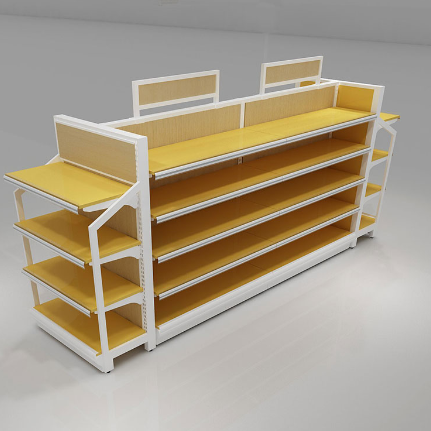
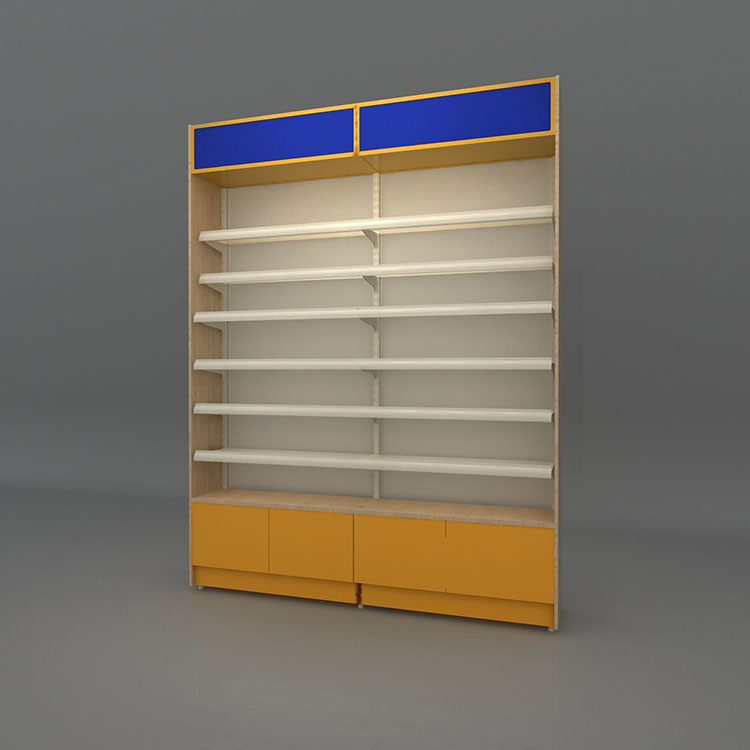
Modular shelving and gondolas Messy walls and inconsistent spacing Seasonal resets, new collections Buying fixed units that can’t be rearranged
Hangers and garment racks Wrinkles, uneven presentation Apparel categories, featured capsules Mixing hanger types so items look mismatched
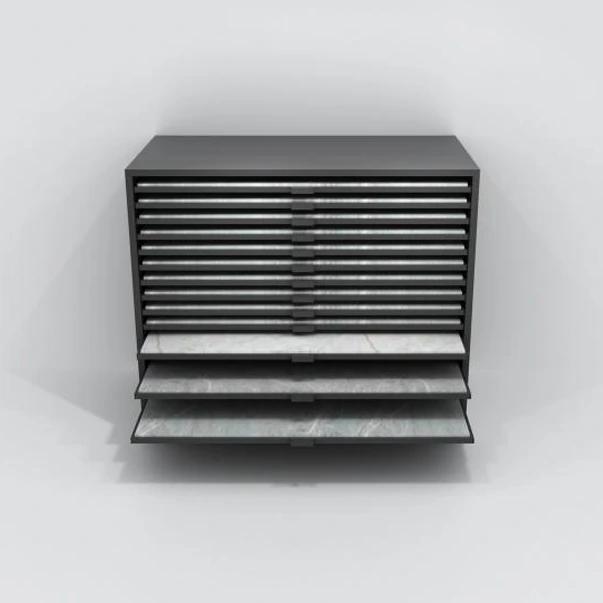
Shoe displays and risers Hard comparisons between styles Hero products, new drops, premium lines Stacking boxes where customers can’t “see” the shoe
Mirrors and fitting room hardware Low try-on rate Apparel and “complete the look” zones Small mirrors or poor lighting that ruins confidence
Signage and price holders Shoppers asking the same questions Size guidance, promos, category labels Over-signing that feels noisy
Storage bins and stockroom labeling Staff time wasted searching inventory Fast restock, accurate replenishment Storing “by chaos” instead of by size/style logic

If you’re upgrading on a budget, start with the supplies that touch customers’ decision-making: displays, mirrors, seating, and clear category signage. Then tighten operations with storage systems.


Layout choices that reduce browse fatigue

A clean layout is a sales strategy. The goal is to help shoppers answer three questions quickly: “What do you sell,” “Where do I start,” and “How do I find my size.”

  • Create a decompression zone: the first few steps should feel open, not jammed with product.
  • Build a clear loop: a path that naturally leads customers through key categories without dead ends.
  • Use strong anchors: mannequins, feature tables, or hero walls that help people orient themselves.
  • Add comfort points: seating near shoes, a mirror near styling zones, hooks where hands are full.

This is where Shoes And Clothing Store Supplies become practical design tools. Modular fixtures let you refresh the store without turning every season into a construction project.


Shoe display supplies that help customers decide faster

Shoe shoppers want to compare quickly: shape, color, profile, and comfort. If your display forces them to pick up boxes one by one, they’ll feel tired before they feel excited.

  • Tiered risers: show multiple angles at once and create a “premium” look without extra stock.
  • Adjustable shoe shelves: adapt to sneakers, heels, boots, and kids’ sizes without wasting space.
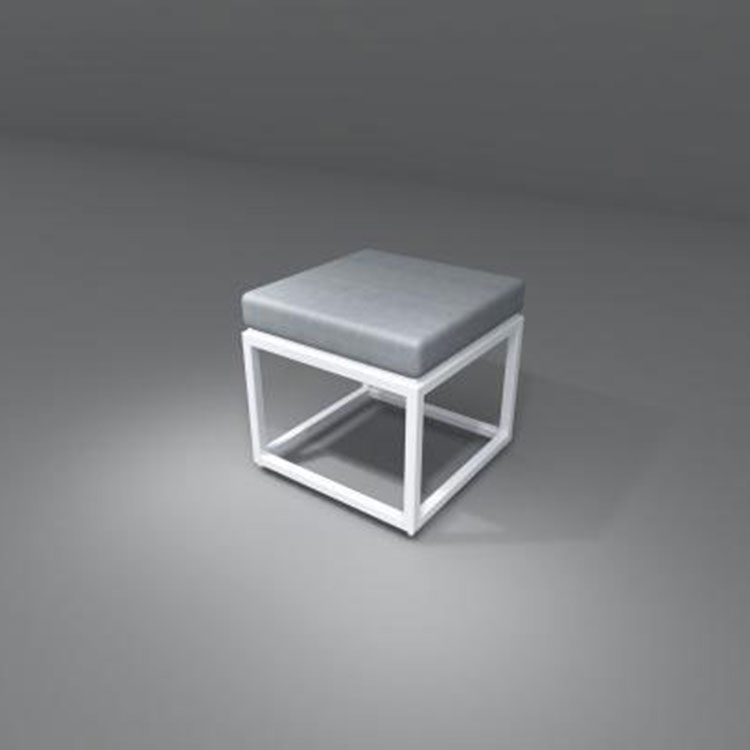
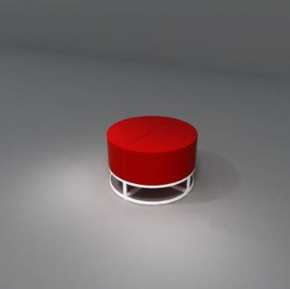
  • Try-on benches or stools: reduce abandonment and make the shoe zone feel welcoming.
  • Size finding logic: small shelf tags or clear size blocks so shoppers know where to look next.
  • Care and accessory add-ons: socks, insoles, cleaners placed where the decision happens.

The fastest win is to set up a “compare wall” for your best sellers. One style, multiple colors, clear sizing guidance, and a clean bench nearby. It’s simple, but it removes friction—and friction is the silent sales killer.


Clothing display supplies that increase try-ons

Apparel sells when shoppers can imagine themselves in it. That means your fixtures should support styling, not just storage.

  • Consistent hangers: one look across the store makes products feel curated and more “worth it.”
  • Face-outs and feature arms: highlight key pieces so customers see silhouettes, not just fabric edges.
  • Fold tables with clear stack rules: fewer, taller stacks beat chaotic piles every time.
  • Mannequins or forms: show outfits, not items—especially near new arrivals and seasonal edits.
  • Fitting room essentials: strong hooks, a stable bench, and lighting that doesn’t punish people.

If your fitting rooms are weak, you’re losing sales you’ll never be able to “discount back.” Upgrading those small supplies often delivers a larger return than buying more inventory.


Signage and guidance that doesn’t feel like shouting

The best signage answers questions before customers need to ask. Keep it calm, consistent, and useful.

  • Category signs: “Denim,” “Workwear,” “Running,” “Formal” placed above eye level, easy to scan.
  • Price and promo holders: clean inserts that don’t curl or fall off after one week.
  • Size guidance: simple charts near shoes, and gentle reminders near fitting rooms.
  • Care notes: short, practical tips that reduce returns and boost confidence in purchase.

A good rule is fewer messages, better placement. Signage should feel like help, not pressure. That’s why choosing the right Shoes And Clothing Store Supplies includes the “small stuff” that customers touch every day.


Materials and durability decisions that protect your budget

Cheap supplies can cost more over time through breakage, rough appearance, and constant replacement. Focus on durability where customers touch and where staff adjusts daily.

  • High-contact zones: benches, hangers, shelf edges, and fitting room hooks should be sturdy and stable.
  • Finish matters: scratches and fingerprints show up fast under store lighting, especially on glossy surfaces.
  • Modular beats fixed: adjustable systems usually outlive trends and make resets faster.
  • Safety and stability: anti-tip solutions and reliable base structures reduce risk in busy hours.

Many retailers work with specialized suppliers for display props and fixtures. For example, you may see manufacturers like Quanzhou Zhongbo Display Props Co., Ltd. featured in this category. When evaluating any partner, prioritize consistency, finish quality, and the ability to support repeat orders as your store grows.


Back-of-house supplies that prevent daily chaos

You can have a beautiful store and still lose sales if restocking is slow and staff can’t locate sizes. Operations supplies are the “quiet profit” of retail.

  • Labeling systems: size-by-size bins and clear shelf labels reduce searching and errors.
  • Return-to-floor stations: a controlled spot for go-backs keeps racks clean during rushes.
  • Packaging supplies: bags, tissue, and tags that make checkout fast and consistent.
  • Cleaning and maintenance basics: quick wipe tools for mirrors, shelves, and display surfaces.

When these systems are in place, staff spend less time “fixing” and more time selling—helping customers compare, styling outfits, and guiding them to the right size.


How to buy smarter and avoid costly mistakes

Buying supplies feels simple until you realize the wrong fixtures can trap your layout, waste space, or force constant rework. Use this quick checklist before you purchase.

  • Measure first: aisles, wall lengths, corners, and fitting room approach areas.
  • Choose a system: pick modular families of fixtures that match, instead of random one-off pieces.
  • Plan for seasonality: you need fixtures that can be reconfigured without new buying every quarter.
  • Standardize the small items: hangers, ticket holders, and shelf labels should look consistent.
  • Think customer comfort: add seating, mirrors, and clear wayfinding where decisions happen.
  • Confirm lead times: your opening date or reset date shouldn’t depend on “maybe it arrives.”

A practical buying approach is to build your store in layers: first the core fixtures, then the display enhancers, then the operational tools. This keeps your spending controlled while improving the customer experience step by step. If you’re sourcing Shoes And Clothing Store Supplies for multiple locations, consistency becomes even more important: customers trust what feels familiar, and teams work faster when every store is set up the same way.


FAQ

  • Q What supplies should I upgrade first if my store looks cluttered
    A Start with consistent hangers, a clear shelving system, and one strong feature zone. These changes make the store feel curated quickly.
  • Q How do I increase shoe try-ons without adding more staff
    A Add comfortable seating, improve size guidance, and create a clear “best seller compare wall” so customers can self-serve with confidence.
  • Q What’s the most common mistake when buying fixtures
    A Buying fixed units that can’t adapt. Modular systems usually save money because they support resets and new categories.
  • Q How can supplies reduce returns
    A Better mirrors, lighting, and fitting room hardware help customers judge fit accurately. Clear care notes and size guidance also help.
  • Q Do I need mannequins for a small store
    A Even one or two can help. The goal is to show outfits and styling ideas, not to fill the space with props.
  • Q How often should I refresh displays
    A Small updates weekly work well, with bigger resets seasonally. Modular supplies make refreshes faster and less disruptive.
  • Q What should I ask a supplier before ordering
    A Ask about consistency of finish, replacement parts, repeat ordering, packaging protection, and expected lead times for reorders.
  • Q How do I keep the floor tidy during busy periods
    A Create a return-to-floor station and set simple rules for folding and rehanging. The right operational supplies keep chaos contained.

Next step

A store that feels easy to shop will always outperform a store that feels like work. The good news is you don’t need a full renovation to get there—you need smarter Shoes And Clothing Store Supplies that reduce friction, improve comfort, and keep presentation consistent.

If you’re planning a new store opening, a seasonal reset, or a multi-location upgrade, consider partnering with an experienced display-props manufacturer to keep quality stable and ordering simple. Quanzhou Zhongbo Display Props Co., Ltd. is one option in this space—reach out, share your store size and category mix, and ask for a supply plan that fits your timeline and budget.

Ready to build a store customers actually enjoy browsing and buying from? Contact us to discuss your fixture list, layout goals, and display needs, and get a practical proposal you can act on.

Related News
Leave me a message
X
We use cookies to offer you a better browsing experience, analyze site traffic and personalize content. By using this site, you agree to our use of cookies. Privacy Policy
Reject Accept