





QR Code

Contact Us

Phone

E-mail

Address
Shanxia Village, Shanxia Town, Hui'An County, Fujian Province, China



If your store feels “fine” but sales feel “stuck,” the issue often isn’t your products—it’s how shoppers experience them. The right Shoes And Clothing Store Supplies help customers find items faster, try them comfortably, trust the quality, and feel confident at checkout. The wrong supplies create clutter, confusion, damaged inventory, and wasted space.
In this guide, I’ll break down the practical supplies that solve real retail headaches: limited floor space, inconsistent branding, messy stockrooms, high display maintenance, and low conversion from browsing to buying. You’ll also get a simple planning workflow, a decision table, and a buyer-friendly checklist you can use before placing your next order.
Part 1
Part 2
I’ve seen store owners blame “slow season” when the real problem is friction—small obstacles that make customers hesitate. In footwear and apparel, hesitation kills conversion because shoppers need confidence: sizing, comfort, styling, and value. Here are the pain points that show up repeatedly:
The good news is that these aren’t “marketing problems.” They’re fixable with smart, well-chosen Shoes And Clothing Store Supplies that support how people actually shop.
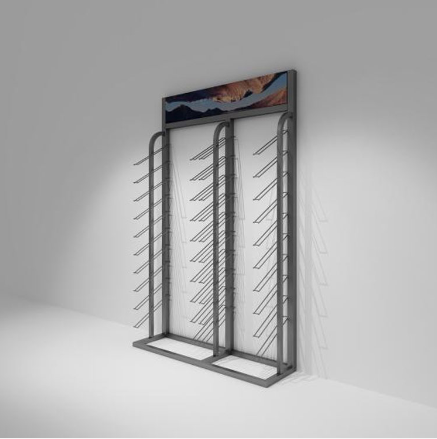
This category is bigger than “racks and shelves.” Think of it as everything that shapes how your merchandise is presented, accessed, tried on, purchased, and restocked. A complete supply setup usually includes:
Front-of-house supplies
Operations and checkout supplies
The best setups feel “invisible.” Shoppers don’t notice the fixtures—because everything feels easy, clean, and intuitive. That’s the point.
In a shoe-and-clothing store, layout is a silent salesperson. Your supplies should support three jobs: guide, highlight, and reassure.
A simple flow model that works in most stores
When you match supplies to this flow, you reduce decision fatigue. Shoppers stop “searching” and start “choosing.” That’s how Shoes And Clothing Store Supplies quietly lift sales without changing a single product.
Shoes and clothing have different display needs: footwear is about comparison and access; apparel is about styling and story. The most effective stores build a system that lets both shine without competing.
For shoes
For clothing
One underrated upgrade
Use modular fixture components (standardized brackets, adjustable uprights, interchangeable shelves). This prevents the “we have to replace everything” moment when you refresh your product mix. Good Shoes And Clothing Store Supplies should evolve with you, not trap you.
If you need help translating a brand idea into practical displays, many buyers work with Quanzhou Zhongbo Display Props Co.,Ltd. to plan retail fixture combinations that fit their space, product type, and budget while keeping the store look consistent.
“Cheap” supplies become expensive when they wobble, chip, stain, or require constant tightening. Customers notice. Staff time disappears. And fixtures that fail under load are a safety risk.
Many stores invest in front displays and ignore the backroom. That’s how you end up with “we have it somewhere” and missed sales because the right size can’t be found quickly.
Backroom essentials that pay for themselves
When your operations supplies are built intentionally, customers feel it. Sizes are available. Displays stay neat. Staff look confident. That confidence sells.
You don’t need a giant redesign to improve results. You need a clear plan that matches supplies to shopper behavior. Here’s a workflow you can use before ordering:
When these steps are done, selecting Shoes And Clothing Store Supplies becomes straightforward—because you’re buying solutions, not objects.
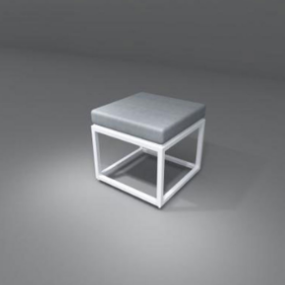
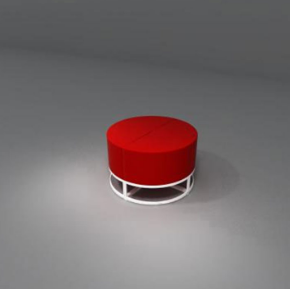
Use this table to match supply types with the pain points they solve and what to check before you buy:
| Supply Type | Problem It Solves | What to Verify Before Ordering |
|---|---|---|
| Adjustable wall shelving | Seasonal changes, better comparison, higher capacity in tight spaces | Load rating, bracket standard, wall-mount hardware, finish durability |
| T-stands and round racks | Faster browsing, clearer size organization, less refolding chaos | Rack stability, base footprint, height adjustability, size markers |
| Shoe steps and risers | Improves product visibility and makes “featured pairs” feel premium | Acrylic thickness, anti-slip pads, scratch resistance, easy cleaning |
| Benches and mirrors | Increases try-on comfort and reduces abandoned purchases | Placement space, sturdy frame, easy-sanitize surfaces, mirror clarity |
| Sign holders and label rails | Reduces confusion, improves promo clarity, lowers staff questions | Compatibility with fixtures, label size standard, replacement availability |
| Stockroom bins and dividers | Stops lost inventory, speeds size retrieval, supports replenishment | Labeling method, stackability, aisle width fit, material toughness |
Q: How do I prioritize Shoes And Clothing Store Supplies if my budget is limited?
Start where friction hurts most: try-on comfort (benches, mirrors), category clarity (sign holders, label rails), and your best-selling display zones (wall shelving or a feature table). These upgrades usually improve conversion fastest.
Q: What’s the biggest mistake stores make when choosing fixtures?
Buying fixtures that look good in photos but don’t match daily use. If it wobbles, scratches easily, or can’t be adjusted, it will cost you in staff time and customer trust.
Q: How can I make a small store feel bigger without expanding the space?
Use vertical display systems, keep mid-floor fixtures lower for sightlines, and reduce visual noise with consistent fixture styles. Good zoning plus modular supplies makes the store feel organized and open.
Q: Do I need mannequins for a shoes-and-clothing store?
If you sell outfits or want to raise average order value, mannequins or torso forms help customers imagine the complete look. Even one well-dressed mannequin near new arrivals can shift attention and improve styling decisions.
Q: How often should I refresh displays?
A light refresh weekly (swap feature items, update signage) and a bigger reset monthly keeps shoppers curious. Modular fixtures make this easier because you’re rearranging components instead of rebuilding everything.
The right supplies don’t just “hold products.” They reduce friction, protect inventory value, and make customers feel confident from the first step into your store to the moment they pay. If you want a cleaner layout, faster replenishment, and displays that actually support selling, your supply system is the smartest place to start.
If you’re planning a new store setup or upgrading an existing one, Quanzhou Zhongbo Display Props Co.,Ltd. can help you match Shoes And Clothing Store Supplies to your space, product mix, and display goals—without turning the project into a headache. Ready to move from “good enough” to “customers can’t stop browsing”? Contact us and tell us your store size, categories, and style direction.
Shanxia Village, Shanxia Town, Hui'An County, Fujian Province, China