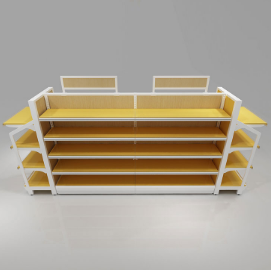
Running a shoe-and-apparel store is a daily balancing act: you need a space that looks premium, stays organized under pressure, and helps customers find “the one” fast—without draining your budget on flimsy fixtures that bend, fade, or wobble within months.
If you sell stone samples, tiles, slabs, quartz, granite, marble, sintered stone, or engineered surfaces, you already know the quiet “tax” of a messy display: cracked corners, hard-to-compare colors, awkward lifting, wasted floor space, and customers who leave without confidence.
Building materials are awkward to merchandise: they’re heavy, sharp-edged, dusty, and often sold in colors or finishes that look different under store lighting.
A Shoe Trying Mirror is a specialized retail display fixture designed to assist customers in visually evaluating footwear from multiple angles without excessive physical movement. Widely adopted in footwear stores, shopping malls, and brand showrooms, this equipment supports accurate size assessment, styling coordination, and purchase confidence. This article examines how Shoe Trying Mirrors are applied in retail environments, outlines detailed product parameters, addresses frequently asked questions, and discusses implementation considerations through four structured content nodes.
We use cookies to offer you a better browsing experience, analyze site traffic and personalize content. By using this site, you agree to our use of cookies.Privacy Policy