


News

How Does a Building Materials Display Rack Turn Heavy Samples into Confident Purchases?

2026-01-06 0 Leave me a message

If you sell tile, flooring, stone, wood, paint, or metal profiles, your display is not “just storage.” It’s the moment where customers decide whether your products feel easy to choose—or too risky to commit to.

Abstract

Building materials are awkward to merchandise: they’re heavy, sharp-edged, dusty, and often sold in colors or finishes that look different under store lighting. A well-designed Building Materials Display Rack solves the real problems buyers face—comparison fatigue, fear of choosing the wrong finish, and the frustration of hunting for samples—while helping your team restock faster and keep the showroom safer.

In this guide, you’ll learn what makes a display rack genuinely useful (not just “nice-looking”), how to choose between fixed and mobile options, which features prevent damage and returns, and what specifications to request when you’re sourcing custom racks.


Table of Contents


Article Outline

  • Identify the real customer pain points (weight, clutter, decision anxiety, safety)
  • Define the non-negotiables for a functional rack (capacity, accessibility, protection)
  • Match rack type to product category (tile, flooring, stone, wood, paint, profiles)
  • Request the right specs to reduce hidden costs (packaging, spares, finishes)
  • Apply layout and labeling tactics that make customers choose faster

Why building materials are hard to display

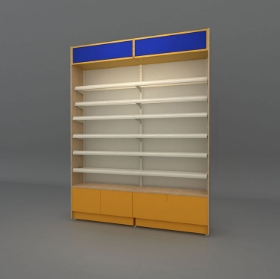
Building Materials Display Rack

Customers don’t walk into a building materials store hoping to “browse.” They’re usually anxious about making an expensive, long-term decision—especially with finishes that will live on a wall or floor for years. The display is where hesitation either dissolves or gets worse.

Here are the common pain points a Building Materials Display Rack should directly solve:

  • Too much visual noise: cluttered sample tables and mixed colors make everything look “similar,” so customers delay decisions.
  • Hard comparisons: people want to compare 3–6 options side-by-side, but loose samples don’t stay organized.
  • Fear of damage or mess: chipped corners, scratched surfaces, and dusty boards reduce trust in product quality.
  • Unsafe handling: heavy panels, sharp edges, and unstable stacks increase injury risk for staff and customers.
  • Slow service: when staff must hunt for samples, answer the same questions repeatedly, or reorganize after every customer, productivity sinks.

What a great Building Materials Display Rack must do

“Looks premium” is not enough. A rack earns its keep when it makes selection easier, keeps samples intact, and helps your team maintain a showroom that stays clean even on busy days.

  • Protect the product: edge guards, separators, and smooth contact points reduce chipping and scratches.
  • Make options easy to scan: clear labeling zones, consistent spacing, and logical grouping lower decision fatigue.
  • Enable safe customer interaction: stable base, anti-tip considerations, and controlled pull-out/pull-forward movement.
  • Adapt when your assortment changes: modular slots, adjustable shelves, and swappable graphics prevent “obsolete rack syndrome.”
  • Support your workflow: fast restocking, easy cleaning, and accessible sample retrieval reduce daily labor costs.

Practical rule: if your staff needs to “babysit” the rack all day, the design is working against you.


Fixed vs mobile racks and where each wins

Most showrooms need a mix. Fixed racks anchor your core categories; mobile racks give you flexibility for promotions, new arrivals, and seasonal displays.

Rack style Best for Main advantages Watch-outs
Fixed floor rack High-volume tiles, flooring, stone boards Stable, high capacity, “permanent showroom” look Needs planning for aisle width and replenishment access
Mobile rack (casters) Promotions, new collections, temporary zones Easy re-layout, faster merchandising changes Requires quality casters + braking; consider weight limits
Drawer / pull-out display Thin panels, boards, swatches, sample books Space-efficient, tidy, easy side-by-side comparisons Needs smooth slides and anti-pinch details
Vertical slot rack Large-format slabs, boards, profiles Strong visibility, quick browsing, good for heavy pieces Must include dividers and edge protection to prevent chipping

How to choose the right rack for your category

A Building Materials Display Rack should be tailored to what customers need to touch, compare, and imagine in their own space. Below are category-based pointers you can apply immediately.

  • Tile and wall panels: prioritize easy comparison. Pull-out or flip-style displays help customers evaluate color and texture under the same lighting.
  • Flooring (laminate, SPC, wood): keep boards aligned and protected. Look for separators, angled viewing, and clear labeling by thickness, wear layer, or finish family.
  • Stone and heavy slabs: stability is everything. A reinforced metal frame, protected contact points, and a wide base reduce breakage and handling risk.
  • Paint and coatings: customers compare shades fast, but they need organization. Use clean color-grouped zones and replaceable sample panels to keep the display current.
  • Profiles and trims: vertical racks with dedicated channels avoid tangles and make it easy to “build a set” (trim + corner + transition).

Quick self-check before you buy

  • Do customers need to pull out samples or just view them?
  • What’s the heaviest single sample, and how often is it handled?
  • Will you change collections quarterly, yearly, or rarely?
  • Do you need a branded story wall (lifestyle visuals + samples) or a pure “selection zone”?

Procurement-ready specification checklist

If you want fewer surprises during production and installation, request these details up front. The goal is simple: reduce hidden costs (damage, rework, missing parts, slow assembly) and make the rack easy to operate every day.

Specification item What to define Why it matters
Overall size Width/Depth/Height, footprint limits, aisle clearance Prevents layout conflicts and improves customer flow
Load capacity Per slot and total rack capacity (with safety margin) Reduces bending, wobble, and long-term failure risk
Surface finish Powder coating / painting, color code, scratch resistance expectations Protects appearance under daily handling
Protection details Edge guards, separators, pads, anti-scratch contact points Prevents chipped corners and customer complaints
Mobility (if needed) Caster size, brake type, turning radius, floor compatibility Ensures safe movement even when fully loaded
Branding Logo placement, signage size, graphic replacement method Keeps your presentation consistent and easy to update
Assembly & spares Instructions, hardware pack, spare parts plan Speeds installation and prevents downtime

Layout tips that improve conversion

Building Materials Display Rack

Even the best Building Materials Display Rack can underperform if it’s placed like a warehouse shelf. A showroom display should guide a decision, not just hold inventory.

  • Group by decision logic: organize by use-case first (bathroom / kitchen / outdoor), then by color family, then by price tier.
  • Use “compare zones”: leave a small counter or flat surface nearby so customers can lay two samples next to each other.
  • Keep the top choices frictionless: position best-sellers at natural hand height and avoid forcing customers to bend or reach.
  • Label for real questions: include slip rating, thickness, finish name, maintenance notes, and recommended applications—what customers actually worry about.
  • Control lighting consistency: if possible, place racks where lighting is stable so color comparisons feel trustworthy.

Choosing a manufacturer for custom racks

When you’re investing in a display system, you’re really buying repeatable execution: consistent welding/fit, stable finishing quality, and a design process that anticipates daily wear. That’s why many buyers prefer working with experienced display manufacturers who understand both structure and merchandising.

Quanzhou Zhongbo Display Props Co.,Ltd. focuses on display solutions across retail categories and can tailor a Building Materials Display Rack by size, color, and configuration—helpful when you need fixed racks for a long-term showroom layout plus mobile options for flexible promotions. The most valuable part of custom work is not “making it different,” but making it easier to use: safer sample handling, quicker replenishment, and cleaner presentation that stays consistent after hundreds of customer interactions.

Questions worth asking any supplier

  • What’s the recommended load capacity per slot, and what safety margin is used?
  • How does the design protect edges and finished surfaces from chipping or scratching?
  • Can the rack be reconfigured if the product line changes next season?
  • What packaging method is used to prevent transit damage to metal corners and coated surfaces?
  • What does the after-sales support look like for spare parts and hardware?

FAQ

What products can a Building Materials Display Rack handle?
Most systems can be configured for tile, flooring boards, stone samples, wood panels, trims, paint sample boards, and other building finishes. The right configuration depends on weight, thickness, how customers compare, and how often items are handled.
Should I choose a fixed rack or a mobile rack?
Fixed racks are best for your core categories and high-volume collections because they maximize stability and capacity. Mobile racks are ideal for new arrivals, promotions, and seasonal changes. Many showrooms combine both to keep the layout stable while still staying flexible.
How do I reduce chipped corners and scratches on samples?
Look for separators, edge protection, and smooth contact points where samples rest. For heavy or brittle pieces, prioritize stable frames and designs that prevent samples from knocking into each other during browsing.
What details help customers choose faster?
Clear grouping (by space or application), consistent labeling, and an easy way to compare 3–6 options side-by-side. A tidy rack that stays organized after each interaction is one of the biggest “silent salespeople” in a showroom.
What should I provide when requesting a quotation?
Share product dimensions and weight range, your target capacity (how many SKUs or samples), the space available, whether you prefer fixed or mobile, and any branding requirements. If you have a floor plan or reference photos, those can speed up the design process.

Final thought

Customers don’t just buy materials—they buy confidence. The right Building Materials Display Rack makes your collection feel organized, reliable, and easy to choose, while protecting samples and simplifying daily store operations.

If you’re planning a new showroom layout or upgrading your current displays, talk with a manufacturer who understands both structure and shopper behavior. Ready to discuss sizes, configurations, and custom branding options? contact us and let’s build a display solution that sells as hard as your products do.

Related News
Leave me a message
X
We use cookies to offer you a better browsing experience, analyze site traffic and personalize content. By using this site, you agree to our use of cookies. Privacy Policy
Reject Accept