
News

How Can Shoes And Clothing Store Supplies Turn Browsers into Buyers?

2026-01-09 0 Leave me a message

Article Abstract

In a busy retail world, shoppers decide fast: stay, browse, try, buy—or walk out. The difference often isn’t your product range or pricing alone. It’s how your store guides people, protects merchandise, and makes decision-making feel effortless. This blog breaks down the most practical Shoes And Clothing Store Supplies that help solve common headaches like cluttered layouts, damaged goods, inconsistent branding, slow restocking, and fitting-room bottlenecks. You’ll get a clear buying checklist, a planning workflow, a comparison table, and a set of frequently asked questions—so you can upgrade your store with confidence and avoid costly trial-and-error.


Table of Contents


Outline

  1. Clarify the store problems you want to solve
  2. Choose supplies that improve flow, presentation, and protection
  3. Match materials to your traffic level and product weight
  4. Use a simple table to prioritize what to buy first
  5. Confirm measurements, branding consistency, and restocking speed
  6. Implement in phases so sales don’t stall

What Problems Are Shoes and Apparel Stores Really Trying to Fix?

Before buying anything, get brutally honest about your current friction points. Most stores don’t “need more fixtures”—they need fewer problems. The right Shoes And Clothing Store Supplies should directly reduce one or more of these issues:

  • Customers can’t find sizes fast: messy shelving, unclear categorization, no back-stock system, or poor signage causes drop-offs.
  • Products look cheaper than they are: inconsistent hangers, uneven spacing, worn racks, or poor lighting damages perceived value.
  • High damage and loss: shoes get scuffed, accessories disappear, and folded apparel gets distorted without protection and control tools.
  • Staff spend too long restocking: if replenishment takes forever, the floor stays empty and sales slip quietly.
  • Fitting rooms become a bottleneck: no hooks, weak mirrors, poor seating, and chaotic return racks create frustration.
  • Brand presentation looks inconsistent: different metals, colors, and sign styles make the store feel “patched together.”

Your goal is to make the store feel organized, intentional, and easy. Shoppers should understand “where to go next” without asking. Staff should recover the floor quickly. And your products should stay clean, supported, and attractive.

Which Supplies Matter Most for Daily Operations?

Shoes And Clothing Store Supplies

Think in layers: what customers see first, what they touch most, and what your team relies on behind the scenes. A strong foundation typically includes:

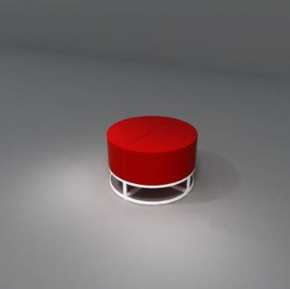
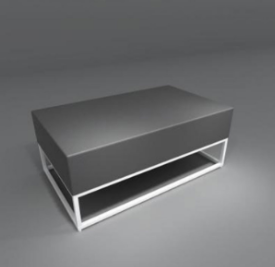
  • Display fixtures for footwear: shoe shelves, step displays, tiered risers, wall-mounted shoe bars, acrylic stands, and feature tables that highlight new arrivals.
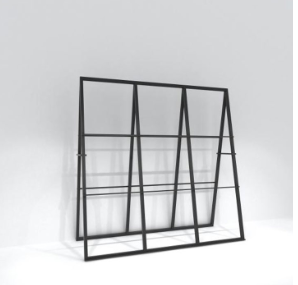
  • Apparel presentation systems: garment racks, wall standards, hang rails, folded display tables, and coordinated hangers that keep spacing consistent.
  • Mannequins and forms: full-body mannequins, torso forms, leg forms, and foot forms to show fit, proportion, and styling ideas.
  • Signage and pricing tools: sign holders, shelf talkers, swing tags, poster frames, and size markers that prevent endless “Do you have…?” questions.
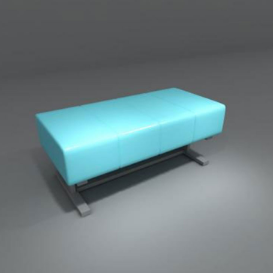
  • Fitting room essentials: heavy-duty hooks, benches, mirrors, garment count systems, and a clear “try-on to return” pathway.
  • Storage and back-room organization: labeled bins, stackable boxes, barcode-friendly tags, and rolling carts for fast replenishment.
  • Protection and maintenance: anti-slip pads, corner guards, dust covers (where needed), cleaning tools, and replacement parts planning.

The “best” list depends on your store format—boutique, outlet, sportswear, luxury, or multi-brand—but the logic stays the same: supplies should reduce confusion, elevate perceived quality, and shorten the time between browsing and buying.


How Do You Build a Layout That Guides Shoppers Naturally?

A store doesn’t need to be large to feel premium. It needs a clear path and smart zones. Use Shoes And Clothing Store Supplies to create structure:

  • Decompression zone: the first few steps inside should feel open. Avoid clutter. Use one strong feature display (new arrivals or seasonal hero items).
  • Primary pathway: guide shoppers with consistent fixture heights and spacing. Keep the “main lane” easy to walk without dodging stands.
  • Category zoning: group by product logic—men/women/kids, or lifestyle (running, casual, formal). Add clear size markers and price anchors.
  • Try-on support: for shoes, place seating and mirrors where people naturally pause. For apparel, make fitting rooms easy to find.
  • Impulse and add-ons: socks, care kits, accessories, and small goods belong near checkout and high-traffic transition points.

A simple trick: stand at your entrance and ask, “If I walked in for the first time, could I find my category in 10 seconds?” If the answer is no, your signage, zoning, or fixture hierarchy needs attention.


What Materials and Finishes Hold Up in Real Stores?

Stores are hard on equipment. The wrong choice looks fine in a catalog and falls apart in a month. When evaluating Shoes And Clothing Store Supplies, match materials to your traffic level:

  • Metal (powder-coated steel, stainless, aluminum): strong, stable, and ideal for high-traffic racks and heavy loads.
  • Wood and wood-look panels: warm and premium, great for boutiques; verify edge durability and scratch resistance.
  • Acrylic: clean, modern, excellent for risers and sign holders; choose thicker grades for busy areas.
  • ABS/PP plastics: practical for bins and some forms; check UV stability if near windows.

Also pay attention to the “little” stuff that becomes big stuff: wobble, sharp edges, unstable bases, weak welds, and easily chipped paint. The supplies you touch every day should feel boringly reliable.


Supply Selection Table

Store Goal Supply Category Best For Common Mistake Practical Tip
Speed up shopping Size markers + sign holders Reducing “Where is my size?” questions Signs too small or inconsistent Standardize fonts, sizes, and placement rules
Increase perceived value Coordinated hangers + premium racks Keeping displays clean and uniform Mixed hanger colors and shapes Pick one hanger family for the whole store
Sell footwear faster Shoe risers + feature tables Highlighting new arrivals and best sellers Flat displays with no hierarchy Use 3 levels of height to create focus
Reduce damage and loss Security-friendly displays High-value items and accessories Leaving small goods unsecured Use locked display options where needed
Improve fitting room conversion Hooks, benches, mirrors, return racks Keeping try-on smooth and tidy No clear “return” flow Add a dedicated rack for tried-on items

What Should You Check Before You Place an Order?

To avoid expensive mistakes, run through this checklist before committing to any Shoes And Clothing Store Supplies purchase:

  • Measurements and load capacity: confirm product dimensions (shoe box sizes, coat weight, denim stacks) and fixture strength.
  • Consistency across the store: choose a finish system (metal color, wood tone, acrylic thickness) and stick to it.
  • Modularity: can your fixtures be reconfigured for seasonal changes without replacing everything?
  • Maintenance reality: which surfaces show fingerprints, dust, or scratches? Who will clean them and how often?
  • Restocking speed: can staff replenish quickly with carts, bins, and labeled storage?
  • Shipping and installation: consider packing protection, assembly complexity, and replacement parts availability.
  • Brand presentation tools: include sign systems, price display rules, and product story cards so the store “explains itself.”

If you’re planning a refresh, it helps to source from a partner that understands retail display systems end-to-end. For example, Quanzhou Zhongbo Display Props Co.,Ltd. focuses on store display props and can support a coordinated look across footwear and apparel zones—useful when you want consistency without managing ten different vendors.

How Can You Upgrade Without Disrupting Business?

Shoes And Clothing Store Supplies

You don’t need a full renovation to see a real lift. A phased upgrade reduces risk and keeps sales stable:

  1. Phase 1: Visual cleanup — unify hangers, replace worn sign holders, add size markers, and simplify cluttered tables.
  2. Phase 2: High-impact zones — install feature shoe displays near the entrance and improve try-on seating and mirrors.
  3. Phase 3: Operations upgrade — add back-room bins, labeling, rolling carts, and a clear return-rack workflow.
  4. Phase 4: Brand polish — consistent finishes, upgraded mannequins/forms, and cohesive signage across all categories.

Measure your results in simple ways: fewer customer questions about sizes, shorter restocking time, cleaner displays at closing, and higher conversion around feature tables and fitting rooms. If those improve, you’re on the right track.


FAQ

  • Q: What are the most essential Shoes And Clothing Store Supplies for a new store opening?
    A: Start with core racks/shelving, coordinated hangers, shoe risers, sign holders with size markers, fitting-room hooks and mirrors, and basic back-room bins for organized replenishment.
  • Q: How do I choose between wall displays and freestanding racks?
    A: Wall systems maximize space and keep pathways open, while freestanding racks add flexibility for promotions. Many stores use walls for stable categories and freestanding units for seasonal stories.
  • Q: What makes a shoe display actually sell better instead of just looking nice?
    A: Clear hierarchy (best sellers at eye level), a “complete look” cue (pair with socks or care kits), comfortable seating nearby, and signage that answers common questions fast.
  • Q: How can I keep my store looking consistent when I add new fixtures over time?
    A: Lock in a finish guide (metal color, wood tone, acrylic thickness) and only buy within that system. Keep a small spare-parts and replacement-hanger stock so changes don’t introduce mismatch.
  • Q: How do I prevent clutter near fitting rooms?
    A: Add a dedicated return rack, a clear sign for “items tried on,” enough hooks inside each room, and a simple staff routine to reset the zone every set interval.
  • Q: Is it worth investing in mannequins and forms for everyday apparel?
    A: Yes—when used strategically. One strong mannequin story near the entrance and a few category-specific forms can help shoppers visualize outfits and increase multi-item purchases.

Next Step

If you’re planning a new store, a remodel, or simply want your displays to look sharper while making daily operations easier, upgrading the right Shoes And Clothing Store Supplies is one of the most direct moves you can make. Choose systems that support your staff, protect your products, and make shopping feel effortless.

Ready to map out a coordinated supply plan for your footwear and apparel displays? Reach out to Quanzhou Zhongbo Display Props Co.,Ltd. and contact us to discuss your store layout goals, product categories, and the display props that fit your budget and timeline.

Related News
Leave me a message
X
We use cookies to offer you a better browsing experience, analyze site traffic and personalize content. By using this site, you agree to our use of cookies. Privacy Policy
Reject Accept